Table Of Content

This knowledge aids in selecting appropriate care routines and products. Embark on a quest to unravel the mysteries of hair types with our FAQs. From deciphering what determines your hair type to identifying it based on texture and density, we address common issues and explore how your hair type can evolve over time.
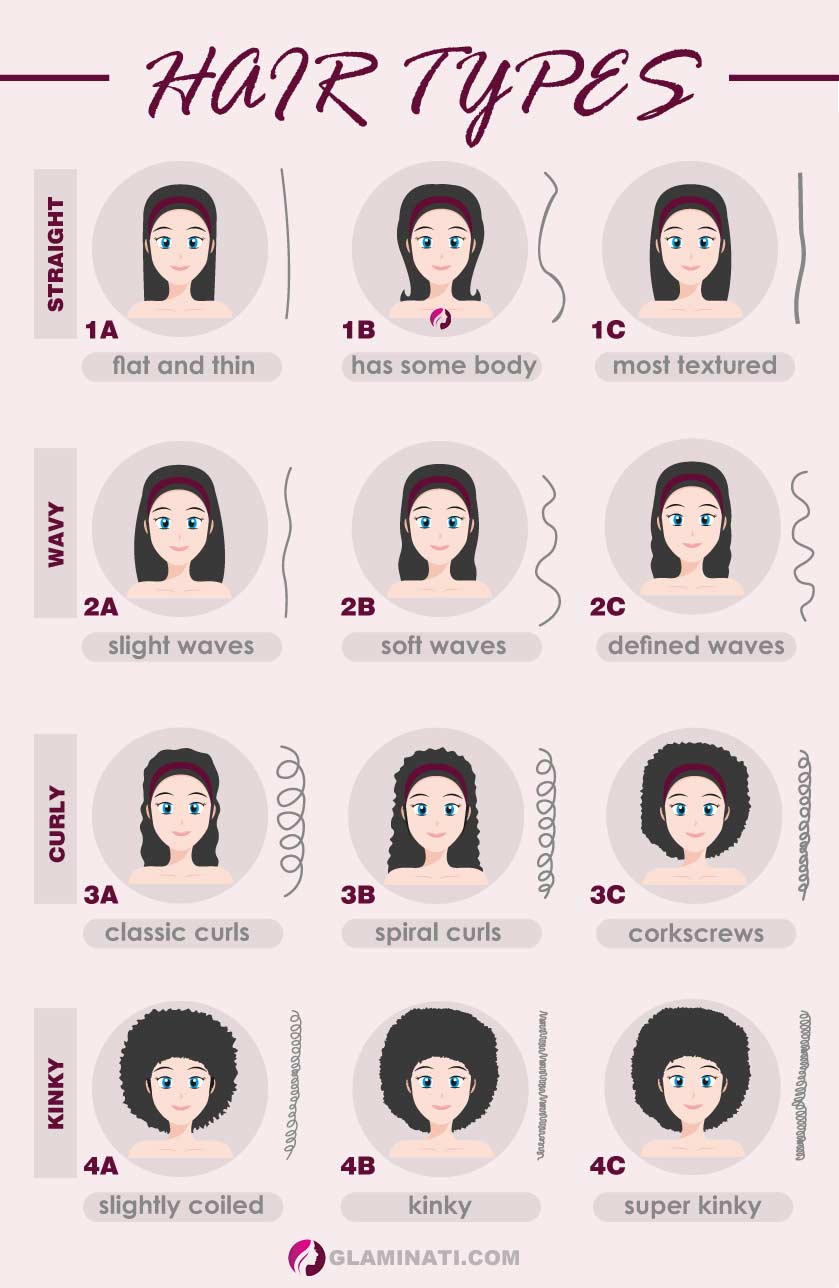
What Are the 12 Major Hair Types?
Hair type involves understanding different qualities of your hair, including density, texture, porosity (your hair’s ability to hold moisture), elasticity, and curl pattern. A hair stylist can use your hair type results to recommend the best hair styles, colors, and styling products for your hair. While I really enjoyed these products and think Beyoncé really has something here, I think there's also room for improvement. I love that the brand doesn't use silicones and focuses on water-activated hydration, but I think there are improvements that can be made to the products to make them a bit more curl-friendly. Care for kinky hair is very similar to the tips for curly hair, but perhaps you need to be more careful when looking after your kinky curls. It involves using sulfate-free shampoos and co-washing (conditioner-only washing) as needed.
Product Reviews
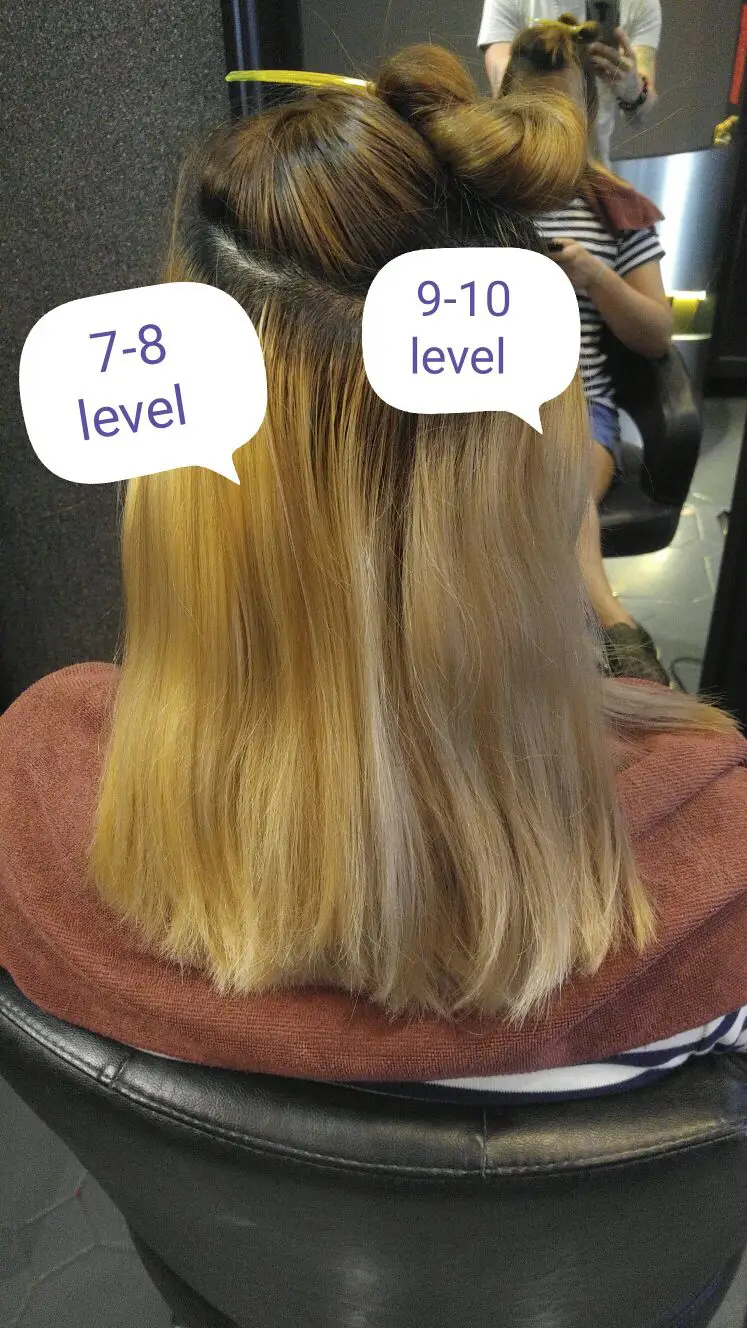
So typically, hair needs to be pre-lightened to use semi-permanent color. Factors like age, hormonal changes, and environmental influences can impact hair type. Understanding these dynamics helps adapt your hair care routine to evolving needs. Curly hair (Types 3A, 3B, and 3C) exhibits a diverse range of curls, spanning from loose loops to corkscrew curls.
A Complete Curl Types Guide: How to Discover Your Curl Pattern and Care of Every Hair Texture - Vogue
A Complete Curl Types Guide: How to Discover Your Curl Pattern and Care of Every Hair Texture.
Posted: Tue, 31 Oct 2023 07:00:00 GMT [source]
How to Tame Flakes and Oiliness
This hair type needs tons of moisture, so consider swapping out your conditioner for a hydrating hair mask every other wash (or every wash, if needed). The wave pattern may begin close to the crown and tumble downward. Type 2C hair is often thick and can be prone to frizz in damp weather. These types are further divided into subcategories based on the tightness or looseness of the curls and coils.
Take a piece of hair in between your fingers and rub it back and forth. Having a better understanding of your hair type can help you select products that will be the most beneficial to you. It’s characterized as being straight with some volume and bounce. It usually lies flat against the head at the roots and may have a bit of texture, especially towards the ends. You likely have 1B hair strands if your hair matches this description. Where 3A hair types have curls that are approximately the circumference of sidewalk chalk, 3B hair types are comparable to a permanent marker.
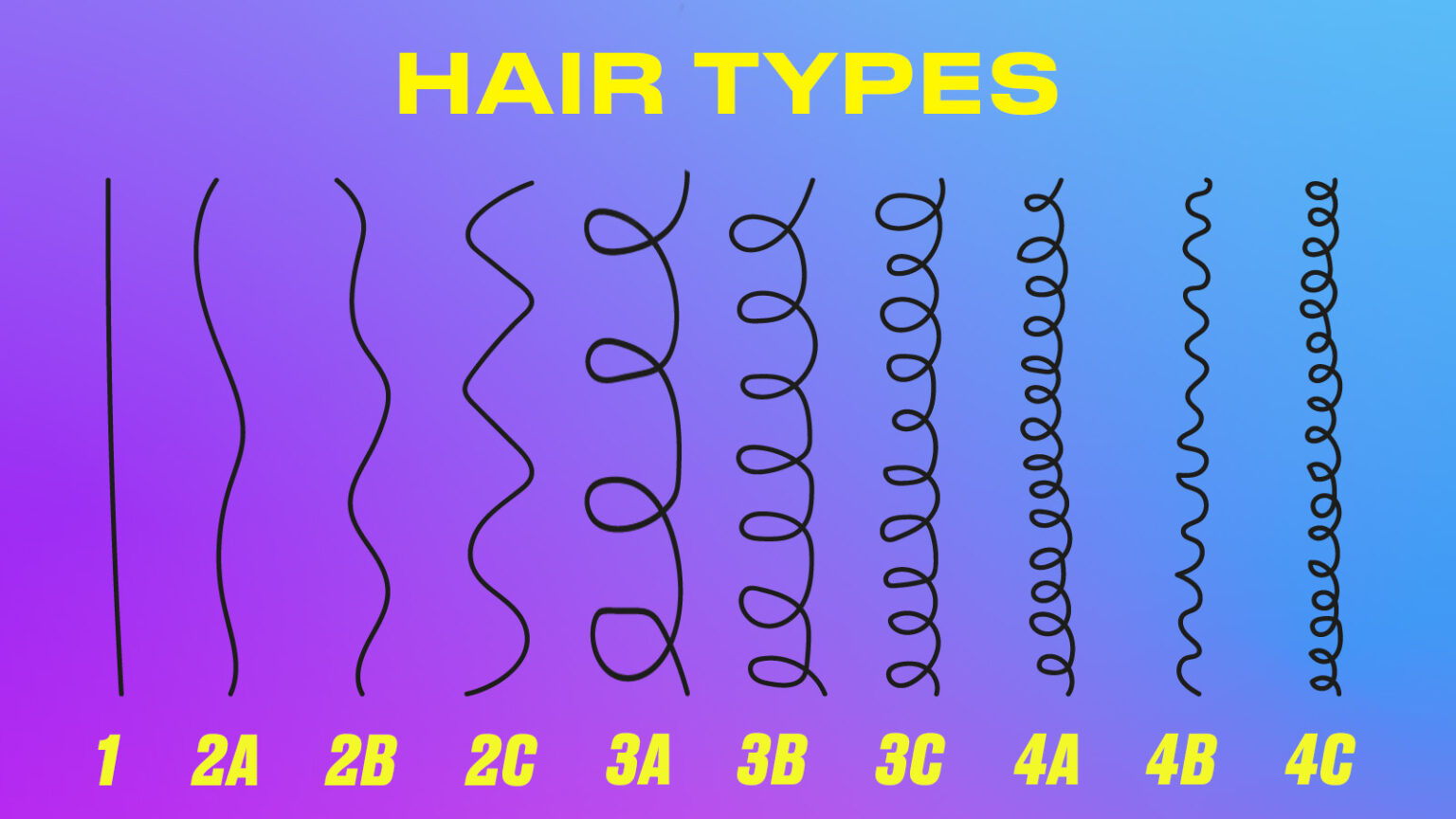
Taking care of your scalp isn’t just a good idea — it’s a must. Determining the condition of your scalp can be easier said than done as you may experience both an oily scalp and dry, split ends. This hair type is typically more dry than type 3s, which means moisturizing products are the way to go.
Does the Hair Type Scale Create More Segregation? - POPSUGAR
Does the Hair Type Scale Create More Segregation?.
Posted: Tue, 02 Apr 2024 07:00:00 GMT [source]
How to style and care for your hair type
It's super light on your strands but does a great job of sealing in hydration. Semi-permanent dye typically lasts a few weeks—around four to eight at the absolute maximum, gradually fading with each wash. You can also do other tests, such as spraying your hair with water and observing how long it takes to be absorbed. For example, hair that absorbs water quickly is a sign of high porosity hair. Identifying your hair strand within the LOIS system starts with using a strand of frayed thread. One piece of a frayed thread (like a piece of sewing thread) is used as a proxy to determine the size of your hair strand.
It's silicone- and coconut oil–free, which both tend to dry out my hair majorly. I loved the fragrance of the products, which makes you feel like you're at a luxury spa. The products are also moderately priced individually, but if you buy three of them, you're easily spending over $100, so that's something to keep in mind.
Pillowcases and Wet Hair
The diameter of your individual hair strands and the overall thickness of your hair are crucial factors in determining your hair type. Fine, medium, and coarse are the three classifications for hair diameter. Examine a single strand of your hair and compare it to a thread as a gauge. Fine hair is thinner than the thread, medium hair is similar in width, and coarse hair is thicker. Thickness refers to the density of hair on your scalp, which can range from thin to thick.
One quick way to tell if you have thick or thin hair is by pulling a small section of hair to the side, like a part. If you can see through the hair to your scalp underneath, your hair is on the thinner side. If you can barely see it or not at all, it's most likely thick. Keep in mind that just because you have thick hair doesn’t necessarily mean you also have coarse hair.
This deep conditioner is super rich with 12 moisturizing butters and oils. I initially thought this conditioner would be great for my hair since it's so dry, but for some reason, this one didn't quite work out for me. While it initially felt super hydrating on my hair when I applied it and for a few hours after, the next day, my hair seemed really dry, and it lacked definition. Curl definition is important to me since I've started wearing my hair natural again, and this just didn't quite provide that. While it didn't quite work for my coarse, 3C curls, I still think it could be great for looser curl types or those who just have super-dry, thirsty hair.
These hair types are prone to getting dirtier and oiler more quickly than other hair types, according to Shelley Gregory, hair stylist and colorist at Atelier Salon in Las Vegas. Because it can often get weighed down more easily, more lightweight hair care and hair styling products are a type 1’s best friend. Coily hair consists of tight coils and requires special care to maintain its health and prevent breakage. Use a hydrating, sulfate-free shampoo and a deep conditioner or hair mask to ensure your hair is well-moisturized. Incorporate regular protein treatments into your hair care routine to strengthen and maintain elasticity. Wavy hair can be more prone to frizz, so it’s important to keep it moisturized.
Type 2 waves are bendable, can be fine to coarse, and have a definitive S pattern that lays closer to the head. This hair type “takes the most amount of time and work to form a curl,” says Brooklyn-based hairstylist Jonathan Matais-Bernard. Type 3B hair tends to look as though spiral curls have been stretched out, without a defined pattern throughout. Since this natural hair type has a lot more volume and body (something many of us can only dream of, tbh), it can become susceptible to dryness.